Advantages and Disadvantages of Prefab Temporary Mobile Houses
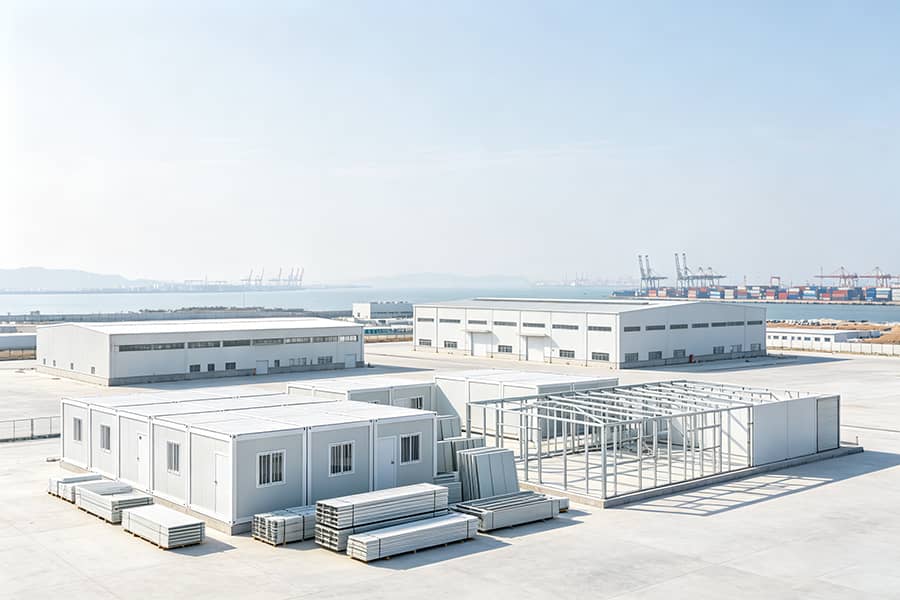
Temporary mobile houses, commonly known as prefab activity houses, are one of the most widely used modular building types in global construction, field engineering, disaster relief, and temporary commercial scenarios. Including light steel prefab houses, flat pack container units, and detachable mobile buildings, these temporary structures have become standard supporting facilities for overseas infrastructure projects. While mobile prefab houses deliver outstanding practicality for short-term construction and emergency settlement, they also have inherent limitations in structural performance, service life, and application scenarios. This article provides a balanced, in-depth analysis of the core advantages and disadvantages of temporary activity houses to help global contractors select suitable modular building solutions for different project demands.
Core Advantages of Prefab Temporary Mobile Houses
Fast Installation and Rapid Project Deployment
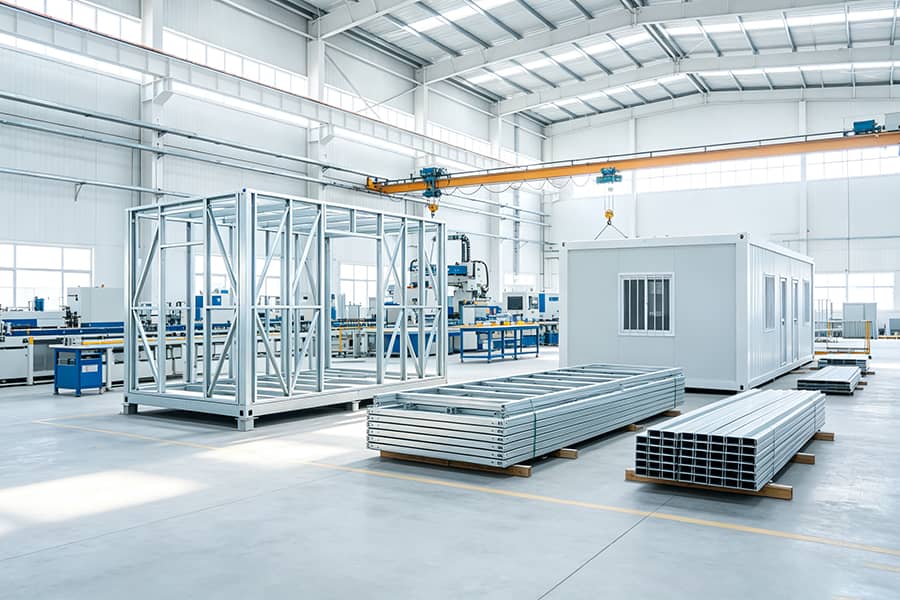
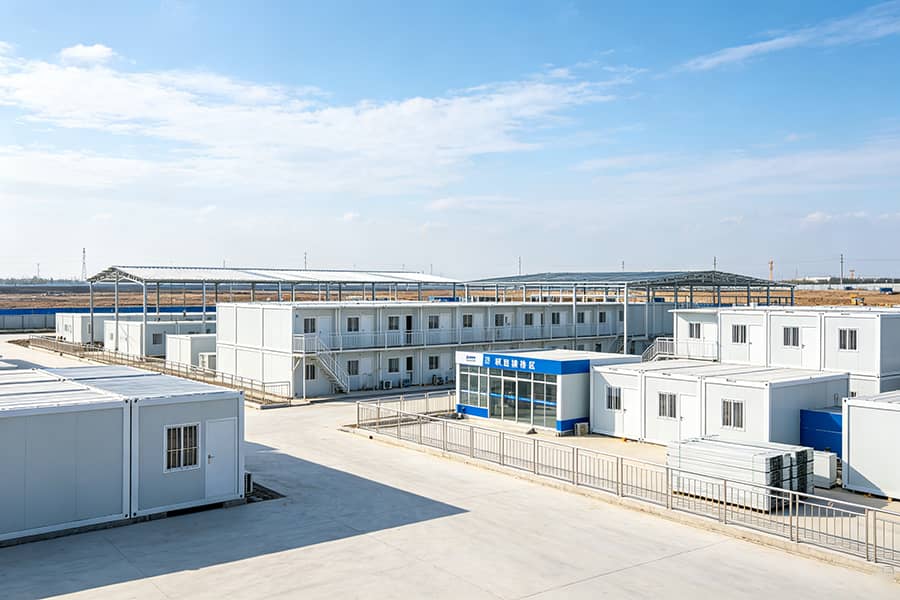
The most prominent advantage of prefabricated house activity buildings is their extremely short construction cycle. Different from traditional concrete buildings that require long-term foundation pouring, bricklaying, and decoration, temporary mobile houses are semi-finished or fully finished products manufactured in factories. On-site construction only requires assembly, fixing, and simple wiring work. A complete temporary residential or office space can be completed within hours, and an entire construction camp can be finished in several days. This rapid deployment capability effectively solves the urgent accommodation and office demands of newly started engineering projects and post-disaster emergency resettlement tasks.
Low Transportation Cost and Flexible Mobility
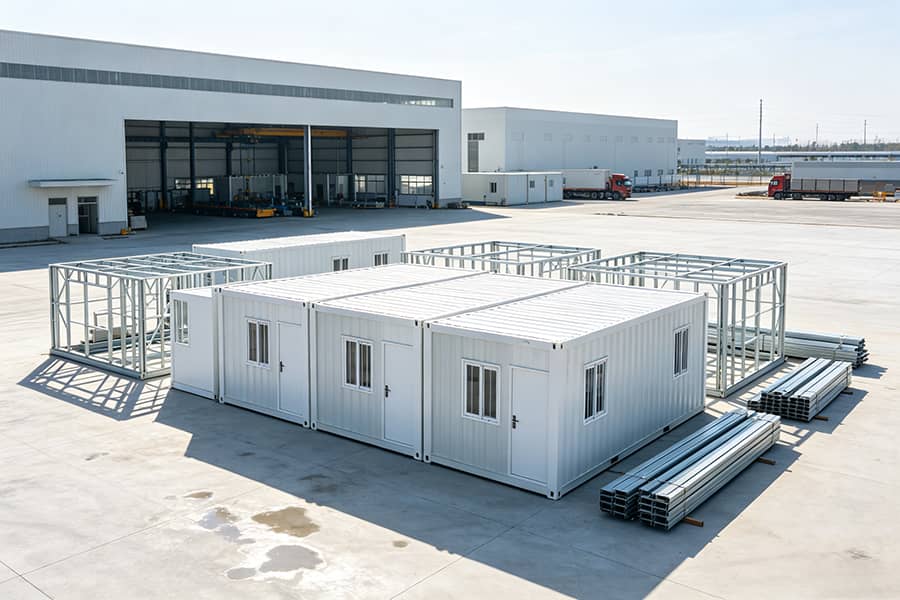
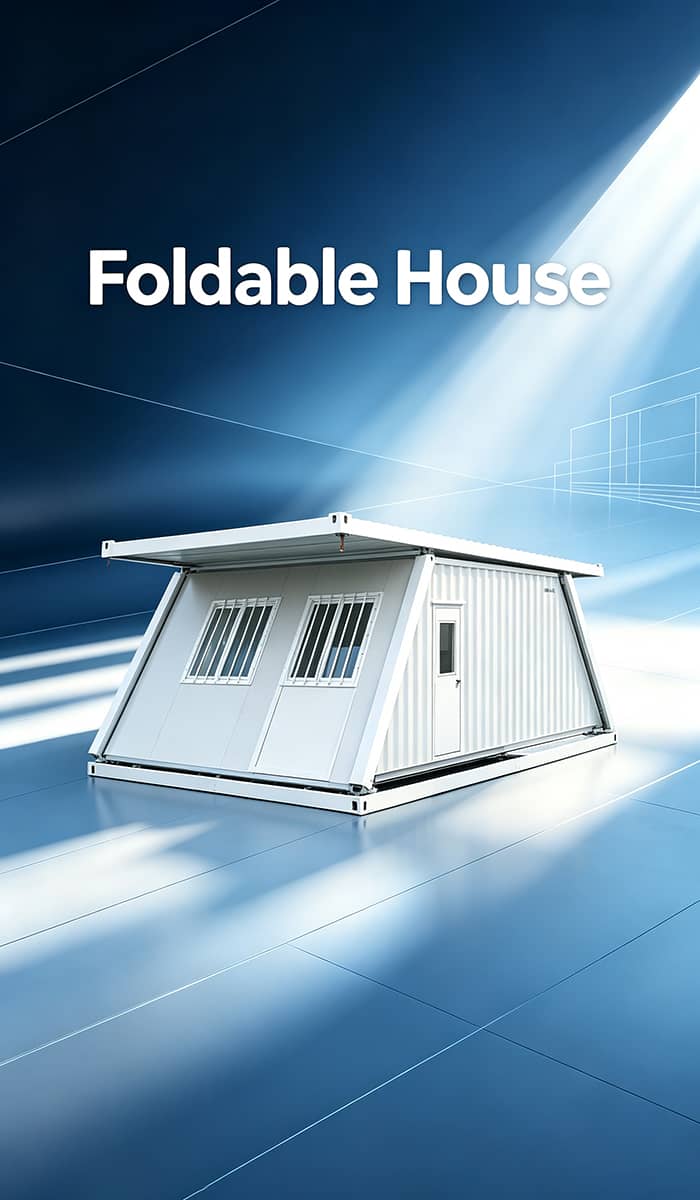
Most modern temporary activity houses adopt lightweight modular design. Flat pack and detachable structures can be disassembled into flat components for stacked transportation, greatly reducing container loading volume and ocean freight costs. Compared with integral fixed buildings, mobile prefab houses can be transferred, disassembled, and reassembled multiple times. For cross-region engineering enterprises with continuous project turnover, the flexible mobility of temporary houses effectively improves asset utilization and avoids repeated procurement investment.
High Safety and Adaptability to Harsh Environments
Qualified temporary mobile houses adopt galvanized light steel frames and fireproof sandwich wall panels. The integral steel frame structure provides stable wind resistance, earthquake resistance, and pressure resistance. Standard prefab activity houses can adapt to complex environments such as mountain construction sites, coastal wind-prone areas, and high-temperature desert zones. Meanwhile, standardized thermal insulation and sound insulation materials improve indoor comfort, providing safe and stable living and working conditions for construction workers and management teams throughout the project cycle.
Economical and Cost-Effective for Short-Term Projects
In temporary engineering scenarios with a service cycle of several months to two years, prefab mobile houses show significant cost advantages. Factory batch production lowers unit manufacturing costs, while convenient installation saves a large amount of on-site labor and time costs. Unlike permanent buildings that require high overall investment, temporary activity houses only need low upfront expenditure, making them the most cost-effective solution for construction site camps, temporary warehouses, and emergency container accommodation projects.
Eco-Friendly and Low-Carbon Construction
Prefab temporary houses belong to typical green modular buildings. All production processes are completed in factory workshops, producing no on-site dust, noise, or construction waste. After project completion, the steel structure and wall panel materials can be recycled and reused, achieving zero demolition waste. This environmentally friendly feature meets the green construction standards of international engineering projects and ESG assessment requirements of overseas government procurement programs.
Main Disadvantages and Limitations of Temporary Activity Houses
Limited Service Life for Long-Term Use
The biggest limitation of mobile prefab houses is their limited service life. Restricted by lightweight material configuration and non-permanent structural design, ordinary temporary activity houses are only suitable for short-term and medium-term use. Long-term exposure to outdoor ultraviolet rays, rain erosion, and temperature changes will cause aging of wall panels, fading of surface coatings, and rust of partial steel components. Therefore, temporary mobile houses are not recommended for long-term residential or permanent commercial building scenarios.
Restricted Structural Load and Stacking Limits
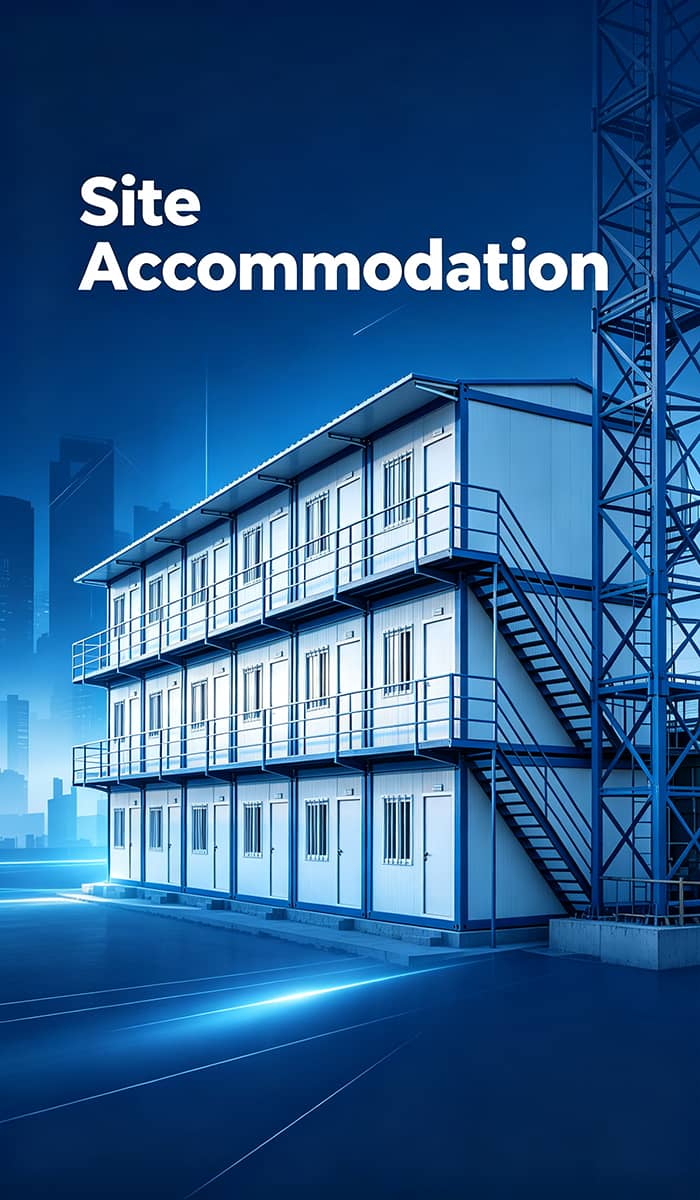
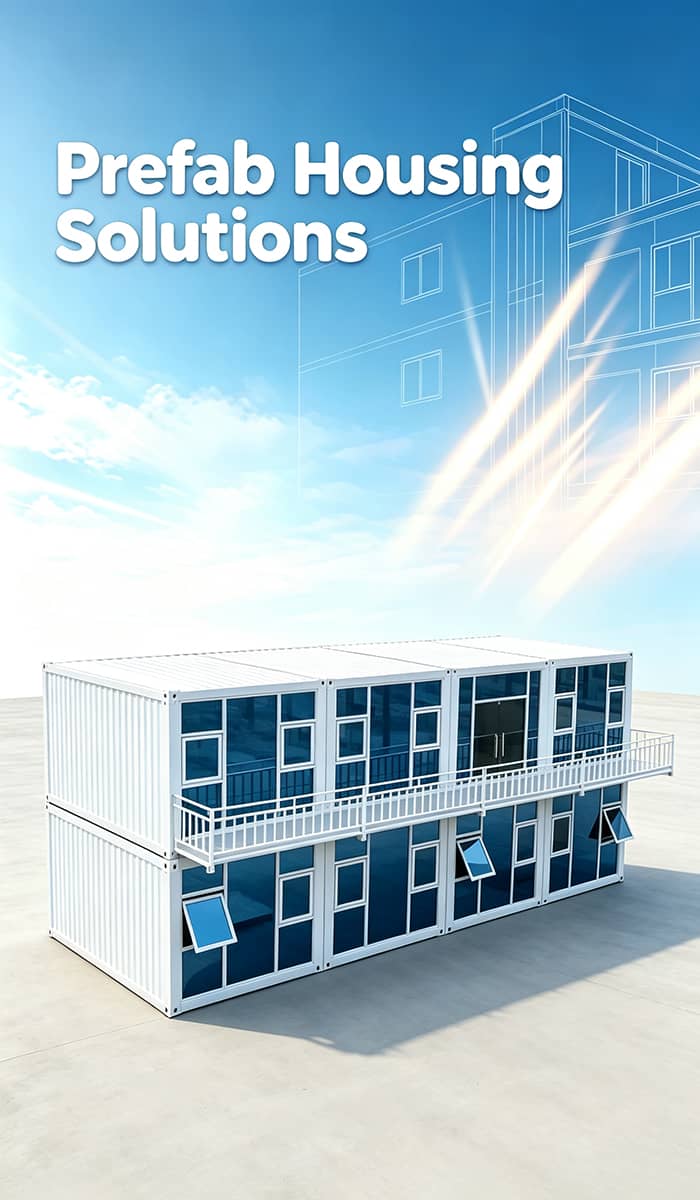
Light steel lightweight design determines that temporary activity houses have limited bearing capacity. The roof and floor structures cannot bear heavy equipment or excessive load. In addition, most ordinary prefab houses only support two-layer stacking at maximum, and cannot be built into high-rise buildings. This structural limitation makes it difficult to adapt to large-scale urban permanent construction and high-density building layout demands.
Relatively Weaker Thermal Insulation in Extreme Weather
Although modern sandwich panels have basic thermal insulation functions, temporary mobile houses still have weaker constant temperature performance compared with traditional concrete buildings. In extremely cold winter or high-temperature summer seasons, indoor temperature fluctuates obviously, requiring additional air conditioning and heating equipment to improve comfort. In ultra-humid coastal areas, ordinary temporary houses also face risks of panel dampness if maintenance is not in place.
Single Appearance and Low Architectural Aesthetics
Traditional temporary activity houses have a single box-shaped appearance with uniform color and style, lacking architectural design sense and personalized features. Although customized modular container house solutions can optimize appearance, conventional prefab activity houses are not suitable for high-end commercial scenarios such as scenic spot hotels, exhibition centers, and high-grade office buildings, and can only meet basic functional use.
Application Suggestions for Mobile Prefab Houses
To maximize project value, users should select temporary activity houses based on actual project cycles and usage scenarios. They are the best choice for short-term construction camps, field offices, emergency disaster relief, and temporary storage spaces. For long-term settlement, commercial operation, and high-standard public buildings, customized high-grade light steel buildings or optimized modular villa structures are more suitable options.
About FONZE HOUSE
FONZE HOUSE provides diversified prefab building products including temporary mobile houses, flat pack container houses, and modular camp solutions. We customize targeted modular schemes according to client project cycles, usage environments and functional requirements to balance cost and performance.
Temporary mobile prefab houses possess irreplaceable advantages such as fast installation, low cost, flexible mobility and environmental friendliness, perfectly fitting modern temporary engineering construction demands. Meanwhile, their limited service life, load-bearing restrictions and single aesthetics determine their positioning as short-term functional buildings. Understanding the pros and cons of activity houses helps overseas clients make scientific selections, optimize project budgets, and improve overall construction efficiency in infrastructure and emergency reconstruction projects.
If you need customized temporary prefab houses or custom modular container house solutions for your overseas projects, feel free to contact FONZE HOUSE for professional technical support and factory quotation.