Standard vs Custom Container Houses: Differences, Pros, Cons & Project Selection Guide
When purchasing prefab container houses and modular buildings for overseas construction camps, emergency accommodation, commercial developments and infrastructure projects, global buyers always face two core choices: standard container houses and custom container houses. Both types adopt mature light steel modular systems and meet international temporary building standards, but they differ greatly in design logic, production process, delivery cycle, cost structure and applicable scenarios. Understanding the essential differences between standard and customized modular units helps engineering contractors, project managers and government procurement teams make cost-effective, project-matching decisions. This article elaborates on their features, advantages, limitations and suitable application cases for global modular construction projects.
Definition and Basic Design Logic
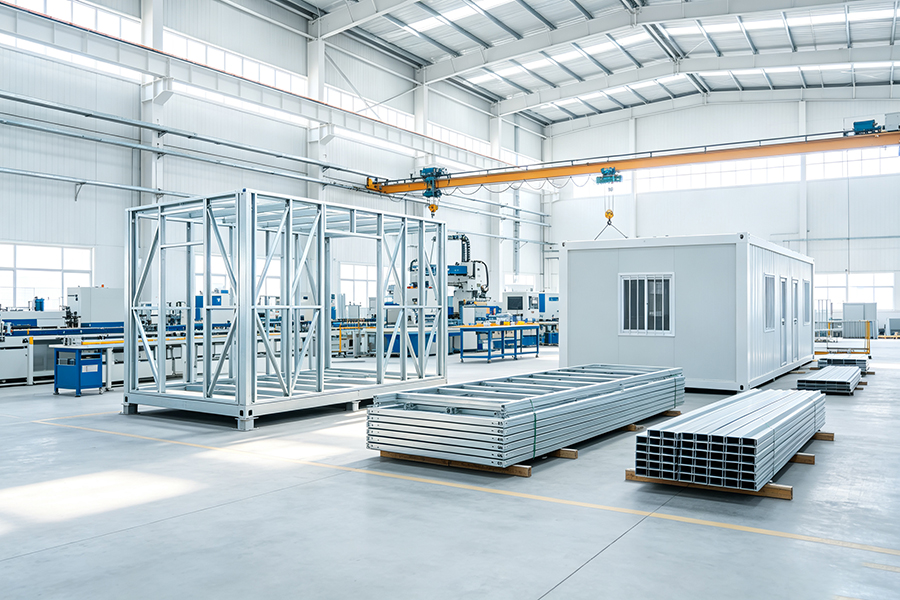
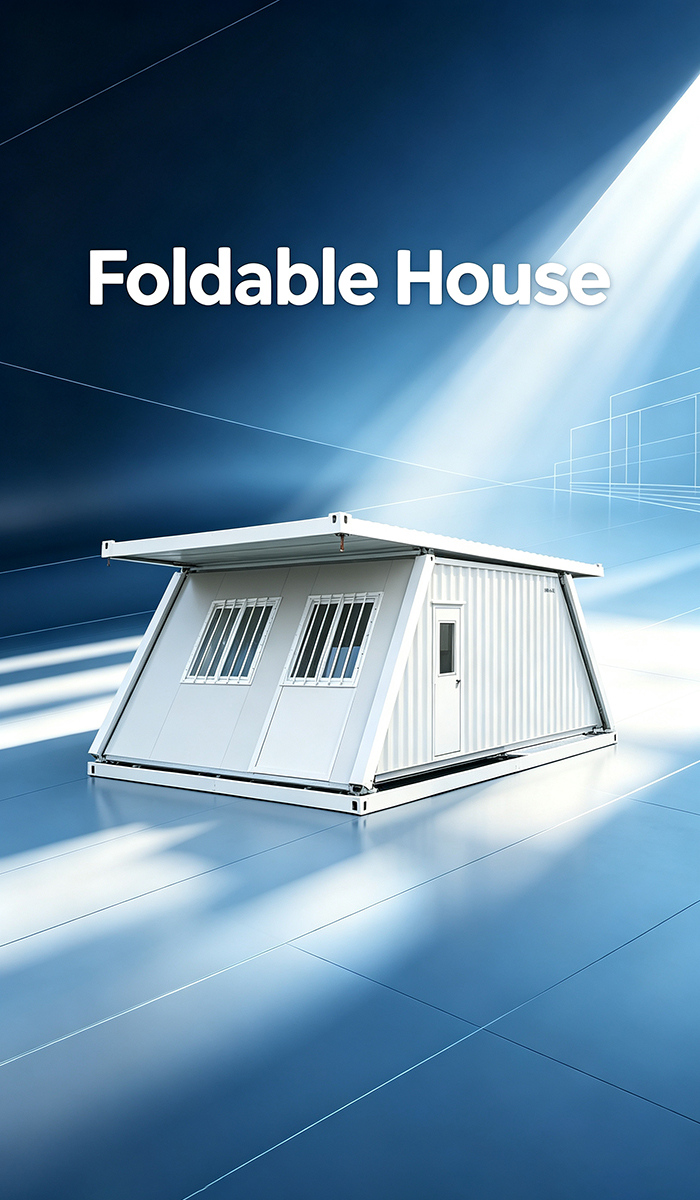
Standard container houses refer to unified, fixed-size modular units produced according to industry universal specifications. Their dimensions, frame structure, wall materials, door and window positions, circuit layout and interior configuration follow unified factory standards without personalized modification. Most standard models are classic flat pack container house units that have been mass-produced for many years, featuring mature structures and stable quality.
Custom container houses are redesigned and adjusted according to individual project requirements. Buyers can modify external size, internal layout, functional configuration, material grade, window and door location, electrical systems, insulation performance and exterior appearance. Customized modular buildings are tailored for specific terrain, climate conditions, usage functions and project styles, breaking the dimensional and structural limitations of standard products.
Delivery Cycle and Production Efficiency
Standard container houses have absolute advantages in delivery speed. Since all drawings, molds and production processes are standardized, factories can arrange batch production and prepare stock components in advance. The production process requires no additional technical communication, drawing modification or program adjustment. Once orders are confirmed, production can start immediately, supporting fast shipment and urgent project schedules. For overseas emergency projects and short-cycle temporary camps that require rapid deployment, standard container units are the most reliable option.
Custom container houses require preliminary technical confirmation, scheme design, drawing review and process adjustment before mass production. The whole pre-production cycle is longer than standard products. Each modified structure needs independent production arrangement, and personalized accessories require targeted procurement and processing. Although the delivery time is relatively extended, customized production ensures that the final products fully match the special functional needs of complex overseas projects.
Cost Differences and Budget Performance
Standard container houses adopt streamlined mass production, which greatly reduces manufacturing costs. With fixed material formulas and standardized assembly processes, the unit price is transparent and highly competitive. No extra design fee, modification fee or customized processing cost is required. For large-scale conventional camp construction including worker dormitories, ordinary site offices and temporary warehouses, standard modular units can effectively control project budgets and achieve high cost performance.
Custom container houses involve personalized design, independent mold opening, special material configuration and flexible manual processing, resulting in higher comprehensive production costs. However, customized products avoid unnecessary functional redundancy and unreasonable structural defects. For high-standard projects, special climate areas and commercial scenarios, custom modular buildings can reduce later transformation costs and maintenance losses, bringing long-term economic benefits that standard products cannot achieve.
Structural Performance and Environmental Adaptability
Standard container houses are designed to adapt to most conventional construction environments. Their wind resistance, seismic performance, thermal insulation and load capacity meet universal international temporary building standards. They perform stably in ordinary inland construction sites, common temperature zones and conventional camp environments. However, standard units have fixed material thickness and structural parameters, making it difficult to cope with extreme environments such as strong wind coasts, high-altitude cold regions, high-temperature deserts and high-salt coastal areas.
Custom container houses can adjust structural parameters according to local climate and terrain conditions. Manufacturers can strengthen steel frames, upgrade thermal insulation sandwich panels, increase anti-corrosion coatings, adjust waterproof structures and optimize ventilation systems. For special functional spaces such as container clinic, temperature-sensitive storage rooms, clean classrooms and high-standard office areas, customized configuration can precisely meet professional usage standards and improve overall safety and comfort.
Functional Flexibility and Scene Matching Ability
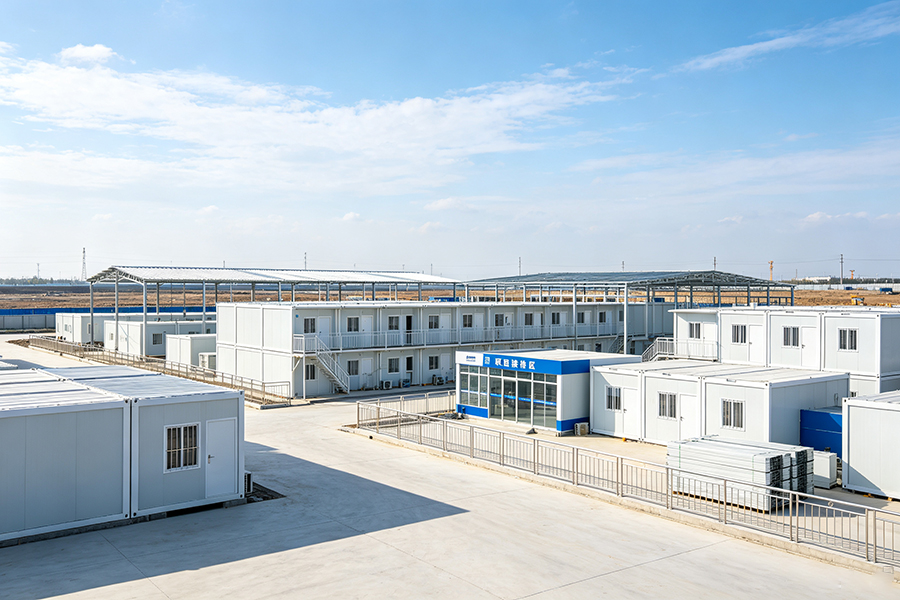
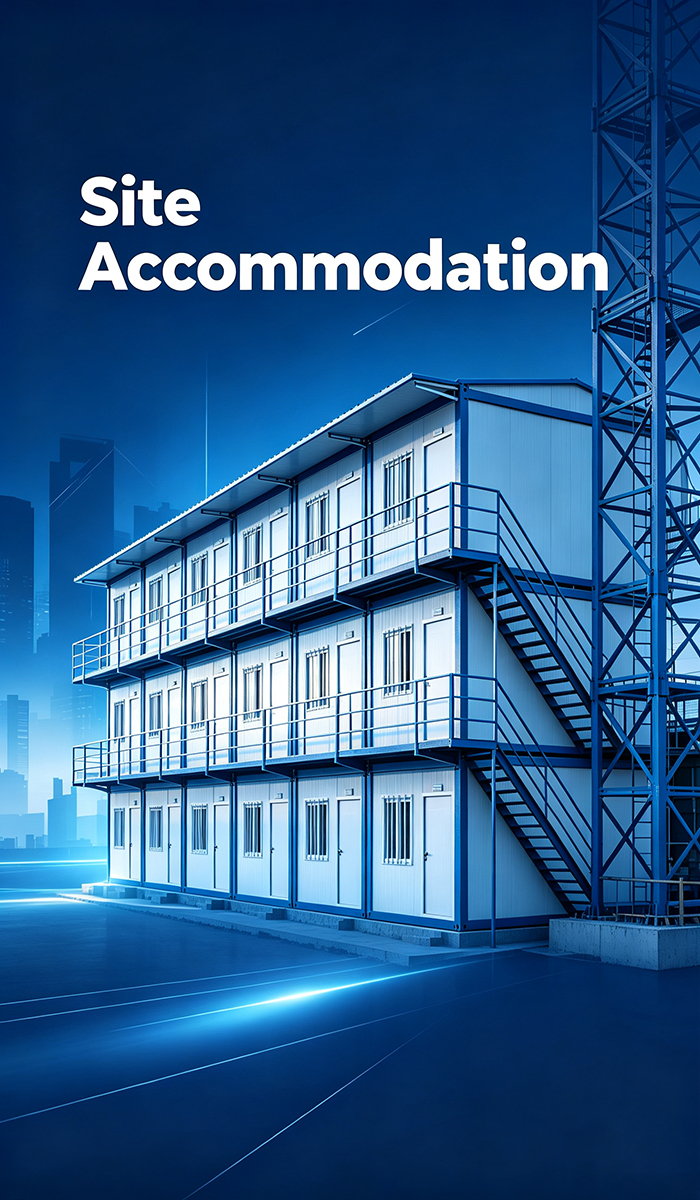
Standard container houses focus on basic living and office functions. The internal layout is fixed, and the expansion space is limited. They are suitable for single-functional scenarios such as staff dormitories, simple offices and temporary security rooms. For unified and standardized large-scale camp areas, standard modular units ensure consistent appearance, convenient assembly and unified later maintenance.
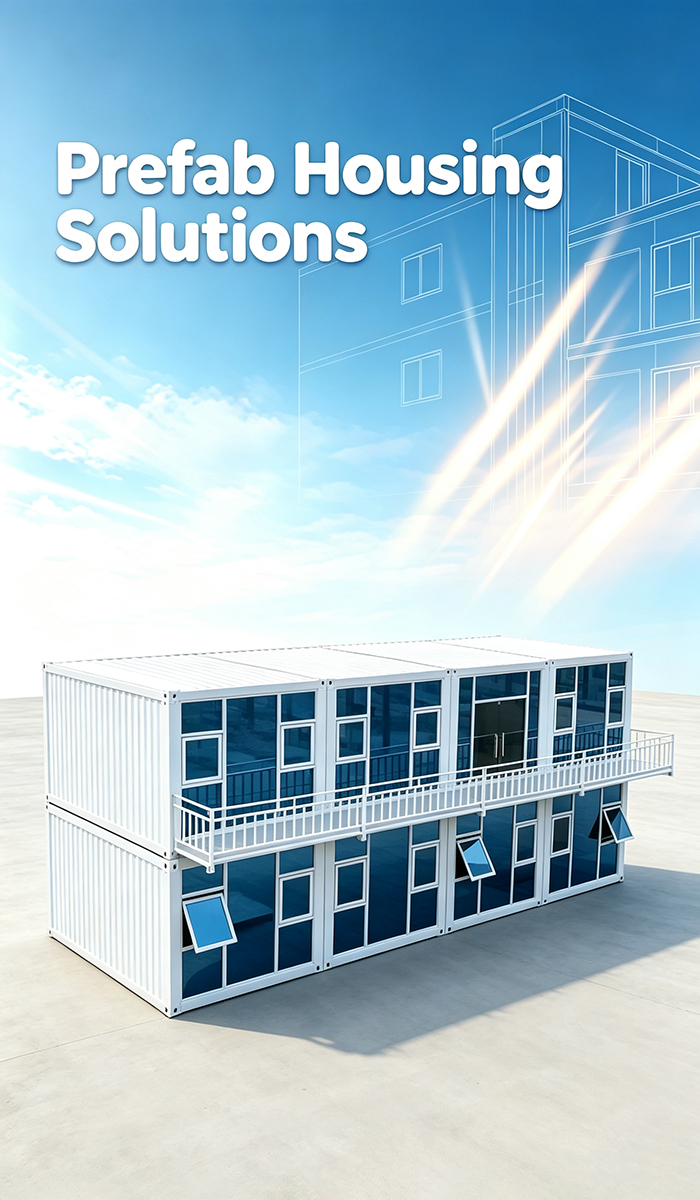
Custom container houses support multi-functional composite design. According to project demands, manufacturers can integrate office, meeting, accommodation, catering, storage and public service functions in one or multiple combined modules. Customers can adjust room partition, add independent toilets, configure dedicated circuits, install professional ventilation systems and customize exterior decoration styles. This flexibility makes custom modular buildings suitable for commercial container house hotel projects, scenic modular landscapes, high-end temporary offices and government public welfare projects.
Reusability and Secondary Utilization Value
Standard container houses feature strong universality. Their unified specifications allow free disassembly, transportation and secondary assembly in different projects. The replacement of accessories is convenient, and the versatility of spare parts reduces maintenance difficulty. For engineering companies with frequent project turnover, standard units have higher asset circulation value.
Custom container houses have strong project specificity. Excessively personalized sizes and special structures may reduce universality. After the completion of fixed projects, the secondary utilization scope is relatively limited. Nevertheless, high-standard customized modular buildings usually adopt upgraded materials and enhanced structures, so their overall service life and residual value remain superior to ordinary standard products.
How to Choose: Standard or Custom Container House
For conventional construction site camps, short-term emergency resettlement, batch dormitory construction and budget-controlled temporary projects, standard container houses are the most suitable choice with fast delivery and low cost. For special geographical environments, high-standard public facilities, commercial operation projects and multi-functional integrated camps, custom container houses can maximize project quality and practical value.
FONZE HOUSE supplies both standard modular container units and fully customized prefab building solutions. The team provides professional project evaluation to recommend standard or custom schemes based on client budget, construction cycle and application scenarios.
Standard container houses excel in low cost, fast delivery and high universality, while custom container houses dominate in environmental adaptability, functional flexibility and project matching degree. Neither mode is absolutely superior; the best solution depends on actual project demands. Reasonable selection between standard and customized modular buildings can help global clients balance construction efficiency, budget control and long-term usage quality. For reliable modular building consultation and factory direct supply, contact FONZE HOUSE for tailored overseas project solutions.