Main Types of Prefab Temporary Activity Cabins and Their Characteristics
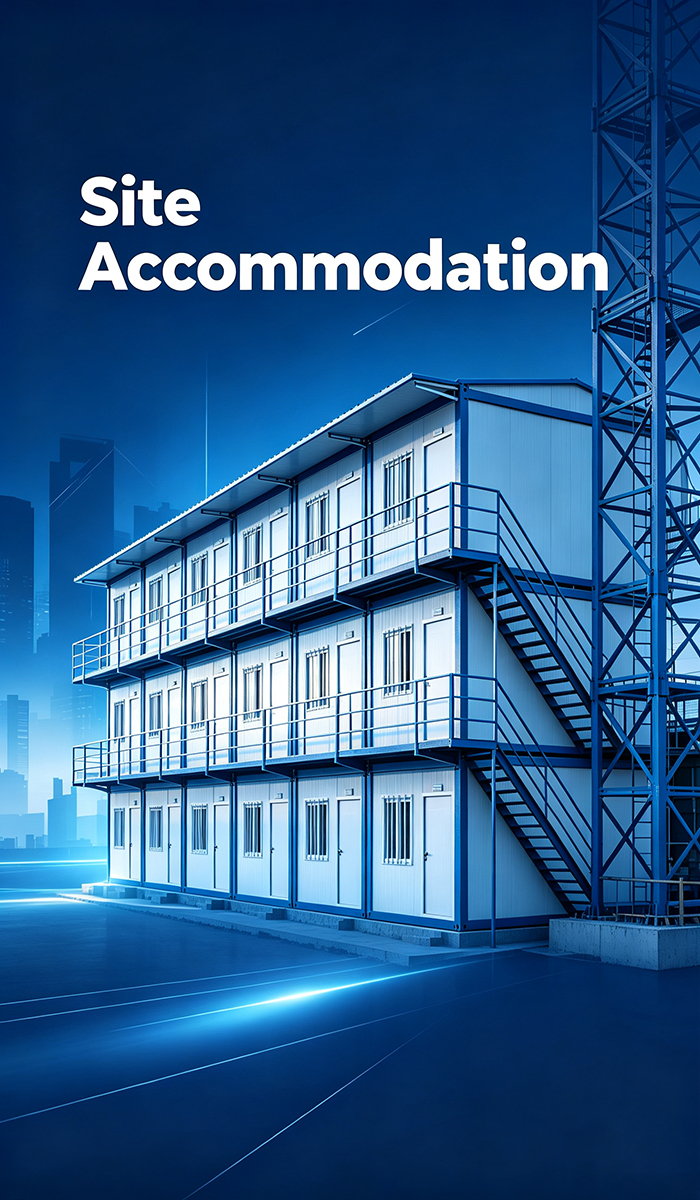
Prefab activity cabins, widely known as temporary site accommodation, are essential modular facilities for construction camps, emergency resettlement, mining projects and temporary commercial usage. With the continuous development of modular construction technology, multiple differentiated product types have emerged in the market. Each category adopts different structural technologies, assembly modes and material configurations, resulting in obvious gaps in transportation convenience, construction speed, service life and applicable scenarios. Many overseas contractors feel confused when selecting activity cabins due to insufficient understanding of product classification. This article sorts out the mainstream types of activity cabins, clarifies their respective features, advantages and suitable application environments to support reasonable product selection for various engineering projects.
1. Color Steel Assembled Activity Houses (T-type Prefab Houses)
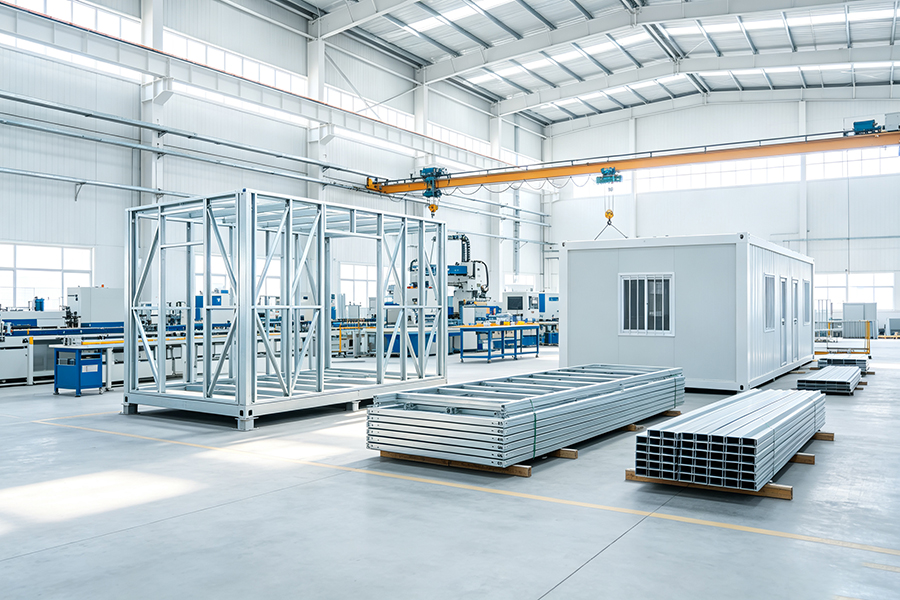
Color steel assembled activity houses are the earliest widely promoted temporary building type. The whole set is composed of independent light steel keel frames, color steel sandwich wall panels, roof panels, floor boards and connecting accessories. Unlike integrated box structures, this type of activity cabin is delivered in scattered components, and all frames and plates need to be spliced and fixed on site.
The outstanding strength lies in flexible space planning. Users can freely adjust the length, width and number of layers according to site conditions. The raw material cost is relatively low, which fits projects with tight budget and long fixed construction locations. However, obvious shortcomings restrict long-distance overseas transportation. A large number of scattered components occupy huge logistics space, and on-site assembly requires experienced workers with welding and installation skills. The construction cycle is longer compared with container-style cabins. Generally speaking, color steel assembled activity houses are more suitable for fixed domestic construction sites and less ideal for frequently transferred overseas mobile engineering projects.
2. Integral Welded Container Houses
Integral welded container houses are also called fixed container cabins. The whole box body is completely welded and formed inside the factory. Internal decoration, doors, windows and basic electrical layout are finished before leaving the factory. After arriving at the destination, the unit can be directly hoisted and put into use with minimal auxiliary work.
Installation efficiency is the biggest highlight of this product. Only a flat foundation is required, and one unit can be ready for use within a short time. The overall welded frame has strong torsion resistance and good waterproof performance. It is commonly used as container office, security room and single staff dormitory. Nevertheless, the integral box brings defects in transportation. Each finished cabin occupies complete truck or container space, resulting in high freight cost for bulk procurement. When projects are completed, although the whole unit can be hoisted and transferred, transportation costs greatly limit turnover efficiency. This type is favored by customers who pursue ultra-fast installation and do not need frequent large-scale relocation.
3. Flat Pack Container Houses
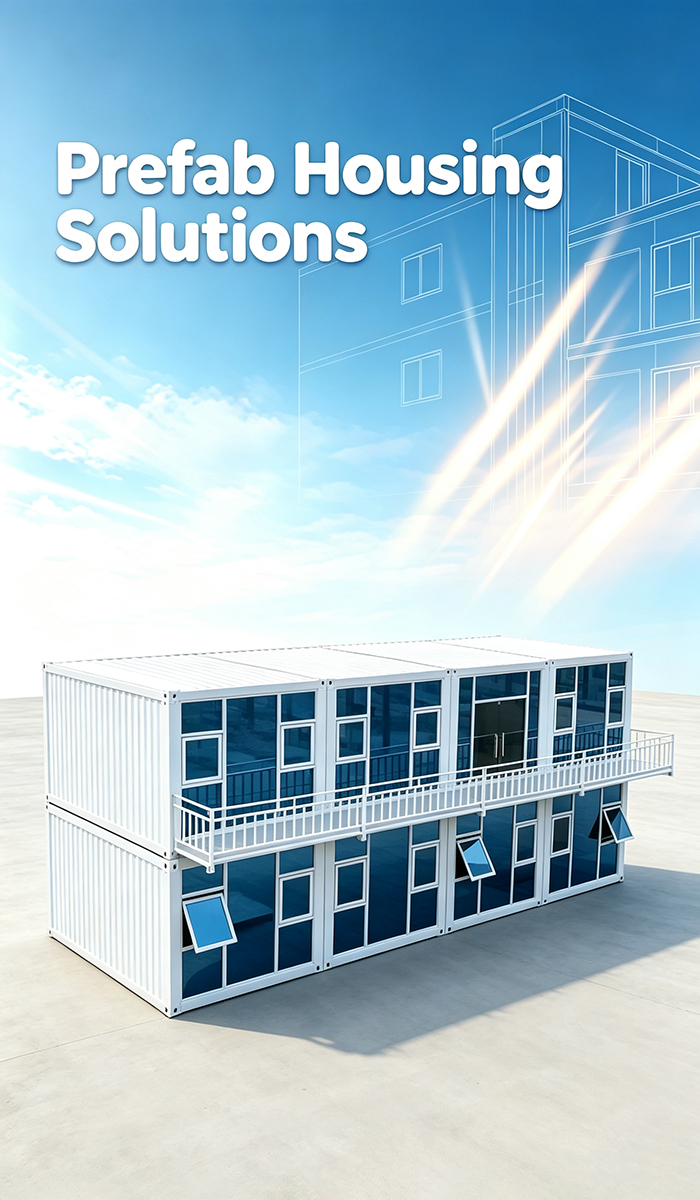
Flat pack container houses represent the most popular modular activity cabin for cross-border engineering at present. The whole structure adopts bolt connection instead of full welding. The box can be completely disassembled into flat steel frames, wall panels, roof and floor components for stacked packaging.
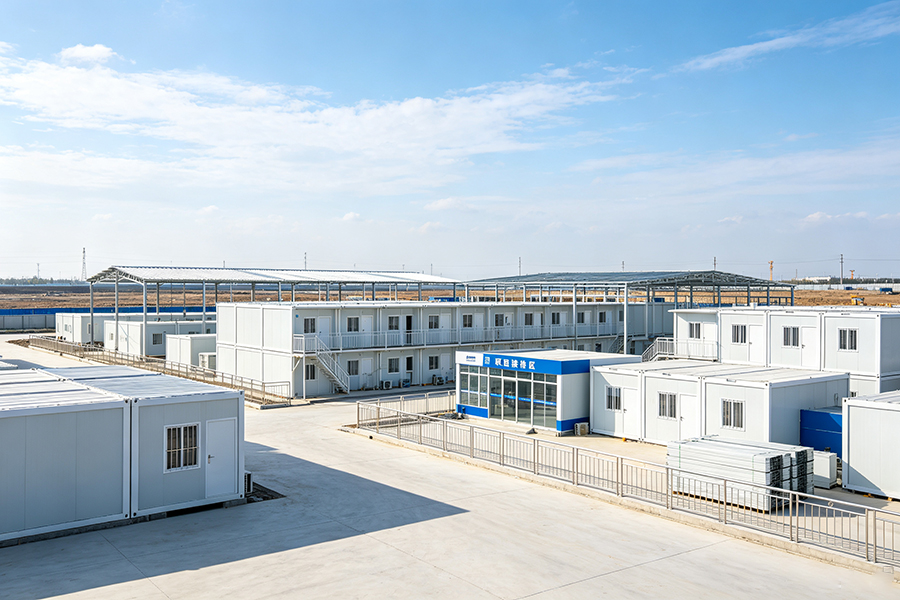
Transportation advantages stand out prominently. Multiple sets of flat pack components can be loaded into one standard shipping container, greatly cutting ocean freight expenditure. On-site assembly only requires simple bolt connection without professional welding equipment. After disassembly, the product can be transported repeatedly to different construction sites, so the reusability is remarkably high. Standard flat pack units can be freely combined horizontally and stacked into two layers to build large-scale container camp. It is widely adopted in overseas infrastructure, mining engineering and post-disaster reconstruction projects. As a balanced solution of transportation cost, assembly speed and service life, flat pack container houses become the mainstream export modular building product.
4. Expandable Container Houses
Expandable container houses are a special improved type of modular activity cabin. Both sides or one side of the main box are designed with telescopic expansion structures. When being transported, the cabin keeps a narrow standard size; after arriving on site, the side structure can be unfolded to expand the indoor usable area instantly.
The core advantage is balanced transportation volume and indoor space. It solves the contradiction that standard containers have limited internal space. This product is popular for temporary residential use, field command posts and small temporary lounges. But the production cost is higher than ordinary flat pack units. The movable telescopic connection structure also needs regular maintenance to prevent jamming and water leakage. Expandable container cabins are suitable for customers who require larger indoor space while controlling transportation quantity.
5. Detachable Foldable Tiny Mobile Houses
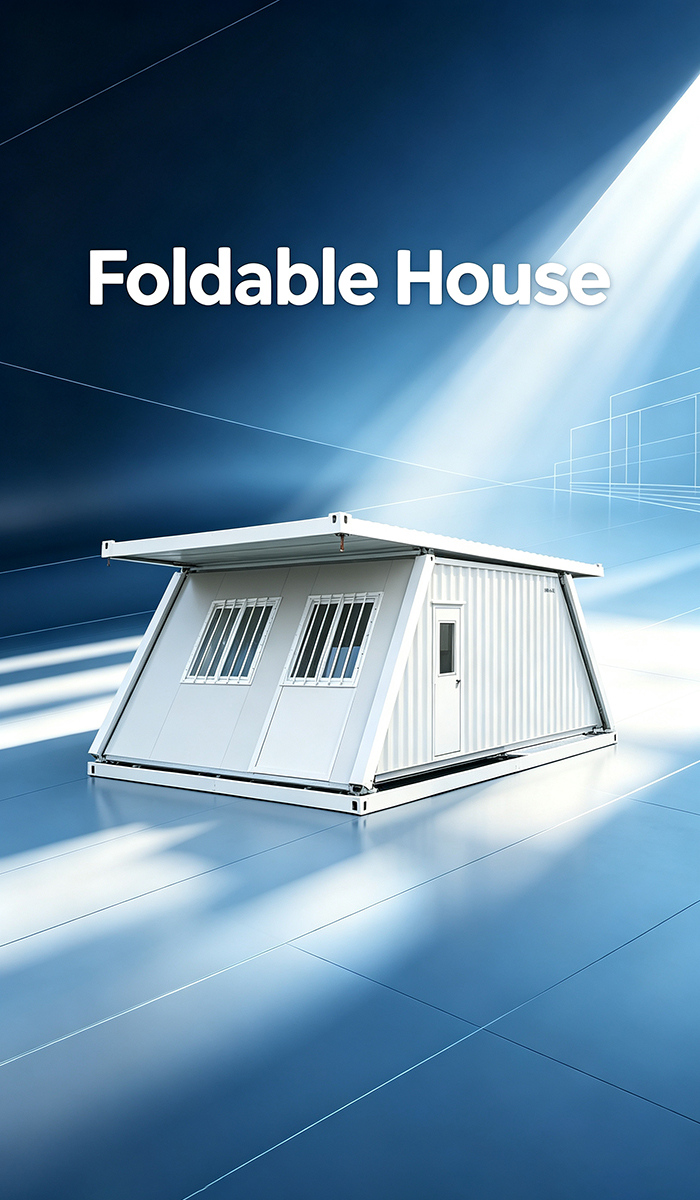
Foldable mobile houses are an emerging lightweight activity cabin category. The whole frame adopts hinge structure design. The whole unit can be folded inward like a suitcase without disassembling individual plates. Folded units occupy very small space and realize high-density loading.
The assembly speed is extremely fast; unfolding and locking can complete installation in a very short time. However, limited by hinge structural strength, most foldable houses can only be built in single layer, and the overall load-bearing capacity is weaker. They are more applied in short-term emergency rescue, temporary checkpoints and short-cycle small projects, and not recommended for large-scale construction worker dormitory camps.
How to Choose the Right Type of Activity Cabin
There is no universal best activity cabin type. Clients need to make selection according to key factors including project cycle, transportation distance, budget, whether repeated turnover is required, site conditions and functional demands. For long-term fixed sites with low transportation demand, color steel assembled houses can control costs. For overseas mobile projects requiring repeated relocation, flat pack container houses remain the most cost-effective choice. If larger indoor space is required with limited transport quantity, expandable container houses deserve priority consideration.
About FONZE HOUSE
FONZE HOUSE manufactures multiple series of prefab buildings covering flat pack containers, expandable containers and modular camp systems. We recommend matching activity cabin types according to project location, transportation plan and usage cycle for global engineering customers.
If you need customized modular activity cabin solutions for overseas construction camps, you can contact FONZE HOUSE to obtain targeted design schemes and factory direct supply quotations.