Container House Transportation & Lifting Risk Analysis for Overseas Construction
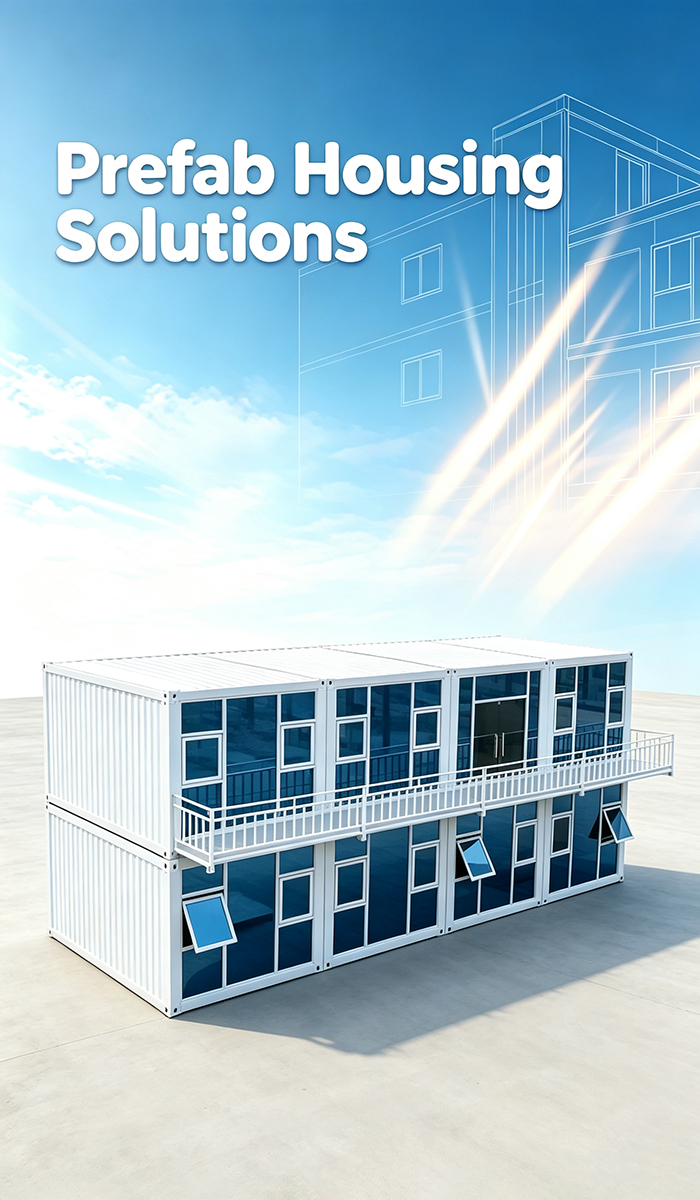
Prefabricated container houses and modular buildings are widely adopted in global infrastructure development, construction site camps, mining projects, emergency disaster relief and temporary commercial facilities. As a mature prefab container house China manufacturer, FONZE HOUSE has delivered thousands of modular units worldwide every year. In actual overseas project cases, most container house damage problems do not occur during production, but happen during long-distance shipping, road transportation and on-site lifting operations.
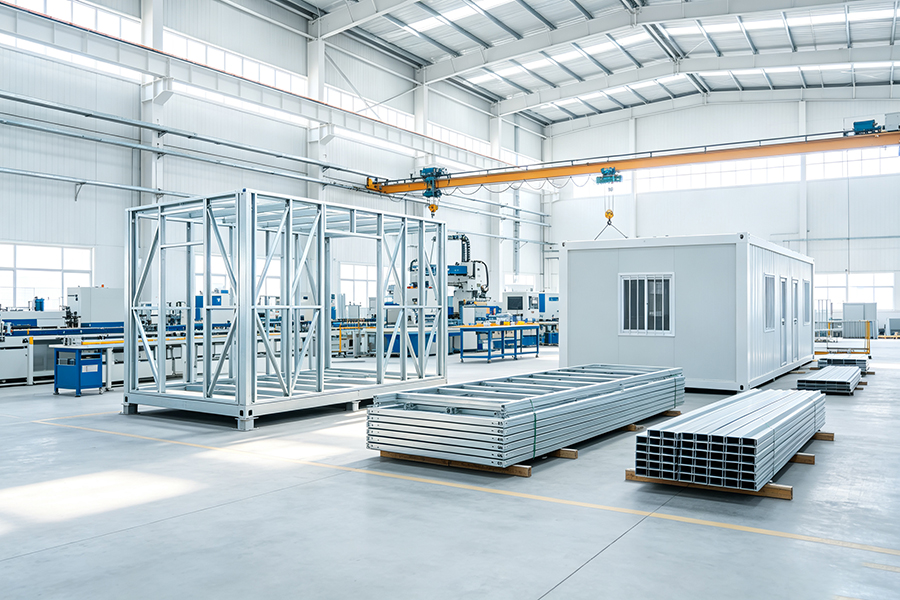
Different from standard shipping containers, architectural container houses are equipped with light steel frames, insulation panels, doors, windows, interior decoration, electrical systems and waterproof layers. These integrated modular structures are more delicate and require standardized packaging, loading and hoisting procedures. Improper operation will cause frame deformation, panel cracking, paint peeling, water leakage and internal circuit damage, resulting in increased project costs and delayed construction progress. This article systematically analyzes the core risks of container house transportation and lifting, providing professional safety guidelines for global engineering contractors and project owners.
Structural Differences Between Building Containers and Standard Shipping Containers
Many construction teams mistakenly treat modular container houses as ordinary shipping containers and use traditional loading and lifting methods. This is the main cause of safety and quality risks.
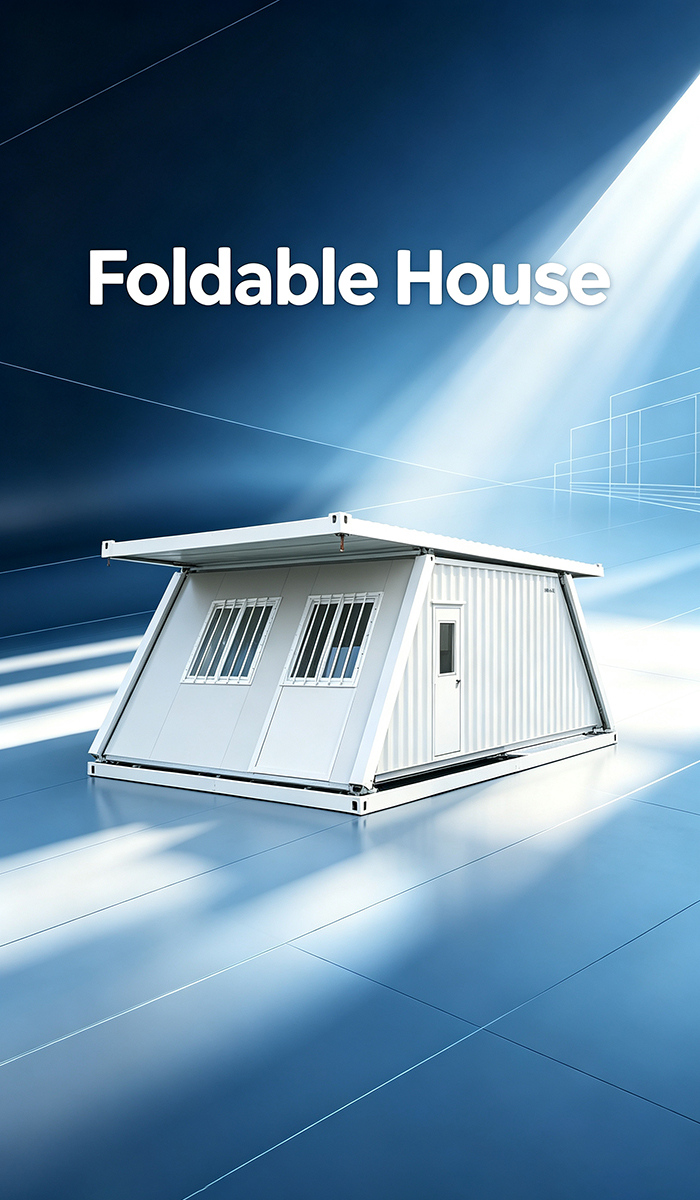
Standard shipping containers are designed with thick corrugated steel plates and strong overall rigidity, capable of stacking, violent shaking and heavy extrusion during logistics. In contrast, prefab building containers prioritize living comfort, thermal insulation and lightweight installation. The wall panels, roof systems and floor structures are not designed to bear strong external impact or uneven stress. Especially for flat pack container house, expandable container house and customized container office and container dormitory units, the overall structural stability is highly dependent on standardized fixing and balanced stress.
Main Risks During Cross-Border Transportation
1. Inadequate Packaging and Collision Damage
During container stuffing and truck transportation, unprotected corners and exposed wall surfaces are easily scratched and collided. Without bubble wrap, corner protectors and tension fixing, modular units will shift back and forth during vehicle braking and bumpy driving, causing steel frame distortion and panel damage.
2. Moisture and Salt Spray Corrosion in Ocean Shipping
Long-distance sea transportation features high humidity, temperature difference and salt spray erosion. Without complete waterproof tarpaulin coverage and desiccant placement, the interior floors, electrical accessories and sandwich panels will absorb moisture, leading to mildew, deformation and circuit failure. Coastal and tropical region projects face the most severe corrosion risks.
3. Irregular Stacking and Excessive Extrusion
Unprofessional logistics teams often stack flat pack components disorderly or place heavy pressure on decorative panels. Local stress concentration causes invisible structural damage, which does not appear during transportation but leads to water leakage and deformation after on-site installation.
Key On-Site Lifting and Hoisting Risks
1. Wrong Lifting Point Operation
Every FONZE HOUSE prefabricated house and container unit is designed with standard reserved lifting points. Many construction workers use bottom lifting or single-point slinging for convenience. This operation causes torsion of the entire light steel frame, resulting in roof bulge, wall dislocation and door frame deformation. For 2 bedroom expandable container house and large-size modular units, incorrect lifting will directly damage the telescopic linkage structure.
2. Unmatched Lifting Tools and Overload Risk
Using old, worn or insufficient load-bearing slings and shackles will lead to unbalanced stress and even sudden breakage. Inclined hoisting and unilateral force are extremely dangerous for modular buildings, which may cause overall swinging, falling and structural fracture.
3. Bad Weather Construction Hazards
Container houses have large windward areas. Lifting in strong wind, heavy rain or thunderstorm weather will cause severe swing and collision. Slippery ground also affects the stability of cranes and workers, easily triggering safety accidents.
4. Lack of Professional On-Site Guidance
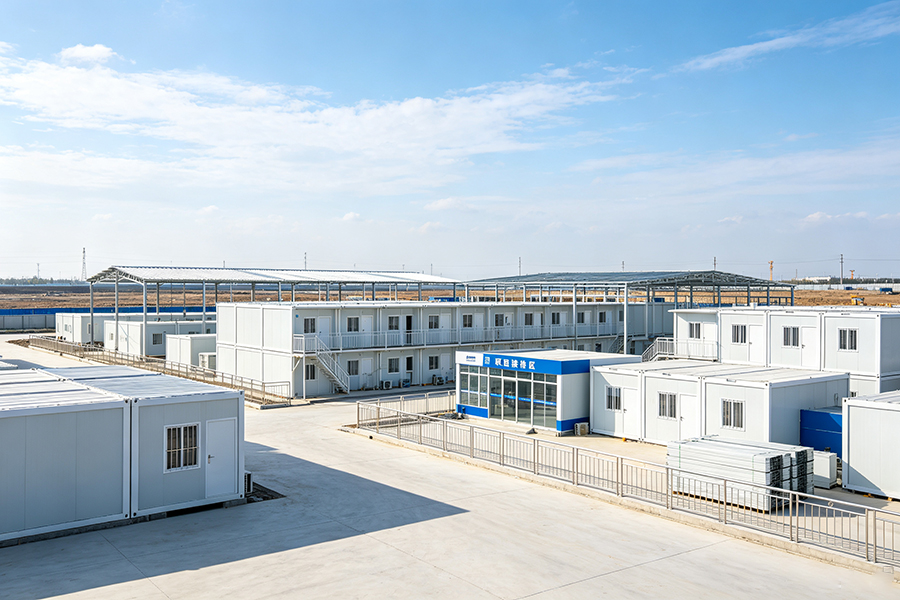
Most temporary construction teams lack standardized modular building installation experience. Random operation, fast lifting and inaccurate positioning will affect the overall flatness and assembly precision of the entire container camp, reducing the service life of the whole project.
About FONZE HOUSE
Fonze Building Materials Beijing Co., Ltd. (FONZE HOUSE) is a professional manufacturer and exporter of modular prefabricated buildings, including container houses, light steel buildings, emergency accommodation and camp construction solutions. Supported by a 200-acre modern production base and 20+ years of manufacturing experience, the company provides stable, safe and high-quality factory direct container house products for global engineering, mining, government and commercial projects.